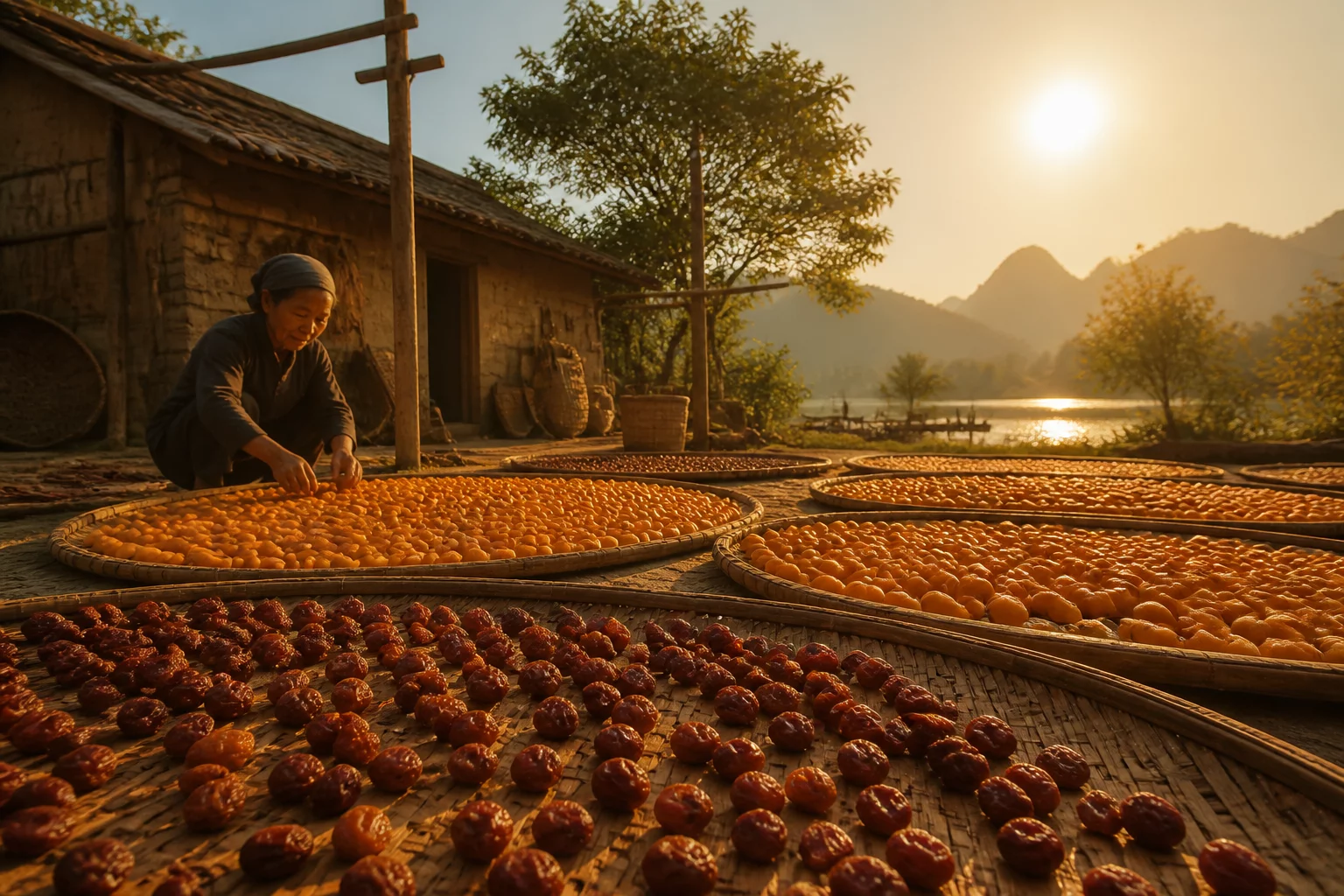
Drying fruit represents one of humanity's earliest food preservation breakthroughs, dating back more than four millennia to the fertile river valleys of the Middle East. By removing moisture using natural sunlight and gentle warmth, early agricultural civilizations unlocked a reliable way to store dense nutrients, natural sugars, and valuable sustenance through long winters and harsh droughts.
Origins in the Fertile Crescent and Mesopotamia
Archaeological excavations across the Tigris and Euphrates valleys show evidence that dates, figs, and grapes were deliberately sun-dried as early as 4000 BCE. Ancient farmers observed that fruits falling from date palms onto dry sand dried without spoiling, preserving their sweet richness for months. Cuneiform tablets from ancient Sumer record dried fruits as essential culinary items, daily rations for temple laborers, and prized offerings to deities.
As trade routes expanded across North Africa and the Levant, dried fruits became essential traveling rations. Nomadic merchants carried sacks of dried figs and dates across desert paths, where fresh produce would rot within days under intense heat. The high concentration of carbohydrates and low weight made dried fruit an unmatched survival provision.
The Mediterranean Heritage: Greece and Rome
Classical Mediterranean civilizations elevated fruit drying into both an everyday agricultural necessity and an artisanal practice. In ancient Greece, sun-drying grapes on reed mats created raisins, which poets celebrated and athletes used as natural energy boosters during athletic contests.
Roman households relied heavily on dried fruits during winter months. Pliny the Elder documented specific methods for drying apricots, plums, and apples in shaded open-air lofts or gentle brick ovens. Roman legions regularly marched with rations of dried plums and figs, ensuring soldiers maintained vital calories without overburdening supply carts.
- Sun-Drying on Mats: Woven straw and reed beds allowed constant air circulation under the Mediterranean sun.
- Clay Oven Curing: Roman bakers utilized residual oven warmth to cure sliced apples and pears before moisture could cause mold.
- Sulfuring and Smoking: Medieval European communities hung fruit in smokehouses to speed drying and discourage insects.
- Modern Dehydration: Precision airflow and low-temperature dehydrators preserve delicate vitamins, vibrant colors, and chewy textures.
The Silk Road Exchange and Medieval Spiceries
During the Middle Ages, the Silk Road facilitated the westward journey of exotic dried fruits, including golden apricots from Central Asia, mulberries from Persia, and dried persimmons from East Asia. European nobility prized these sweet imports, incorporating them into savory stews, rich pastries, and holiday feast centerpieces.
By the Renaissance, dried fruits had transitioned from luxury imports to staples in seaside towns and naval storehouses. Sailors embarking on months-long voyages across oceans packed barrels of dried apples and raisins to stave off scurvy and hunger when fresh food spoiled.
Industrial Innovation and Modern Craft
The late 19th and 20th centuries brought significant advancements in dehydration technology. Controlled hot-air tunnels, freeze-drying methods, and vacuum dehydration enabled producers to preserve fruit integrity without relying entirely on hot seasonal weather.
Today, the tradition continues with a renewed focus on clean, preservative-free preparation. At Trips Fruits, we combine time-honored drying principles with modern quality controls, bringing you sun-dried apricots, golden raisins, and luscious figs that deliver authentic taste rooted in centuries of culinary heritage.
Discussion & Experiences
0No comments yet. Be the first to leave a comment.